Our Philosophy
Build a strong FOUNDATION
Encourage CREATIVITY
Find JOY through music
We strive to do this through expert and nurturing instruction, creative time in classes, and performing frequently. Staying focused on those three pillars, our students build a foundation and skills that serve them in whatever musical goals they have set for themselves.
Why Group Classes?
Why group Classes?
Aren’t private lessons better?
I started teaching group piano classes because that’s what a specific school I worked at wanted. I, like most professional musicians, resisted, and turned my nose up at the idea of group classes. But I did it, because that’s what worked for the school.
After just 2 months of teaching, I had to face the anecdotal evidence in front of me, and change my mind.
A friend, also teaching group piano, compiled some data from his studio of over 200 students. In a four-week period, the average level-1 student in private lessons passed off 5 pages from their book, while the average group-class student passed off 14. In level-2, the difference is even greater, with private students passing off just 3.5 pages to the 24.5 of the average group class student.
What’s the difference?
I believe it comes down to a few things:
- Group classes are 60 minutes, with an entire 30 minutes dedicated to theory, technique, and ear training instruction. The other 30 minutes, we reinforce all of that while they learn songs.
- In a private lesson, at least ⅔ of the time is spent giving feedback about notes, rhythms, and getting in reps that they weren’t able to get at home. This is essentially guided practice. Contrast that with students in group classes – they learn how to use and have access to specific software that connects with their piano. The software gives them real-time feedback on rhythm and pitch, all while providing a click track and accompaniment which help them naturally gain a sense of rhythm. Essentially, they have a 24/7 practice coach. This allows time in classes to focus 90% of our time on what the software can’t do – technique, beautiful playing, dynamics, articulation – all the things that make music sparkle.
- Students practice at home more with access to this software. It gives them feedback, they get little confetti stars and crowns when they pass it off. And they have to play it well, several times in a row to get that crown. Don’t ask me why. But they really want those crowns. Even the teenagers.
- Learning in a small-group makes it more fun for the students. We cheer for everyone when they pass off a song. We pause everything when someone finishes a book to congratulate them. Sometimes they play for each other when they think a specific song their working on is extra cool. All of this makes it more enjoyable, and deeply feeds their motivation.
In the end, I converted.
After 20+ years of teaching private lessons, I believe that these group piano classes are a better option for my beginner-intermediate players.
Meet Our Team
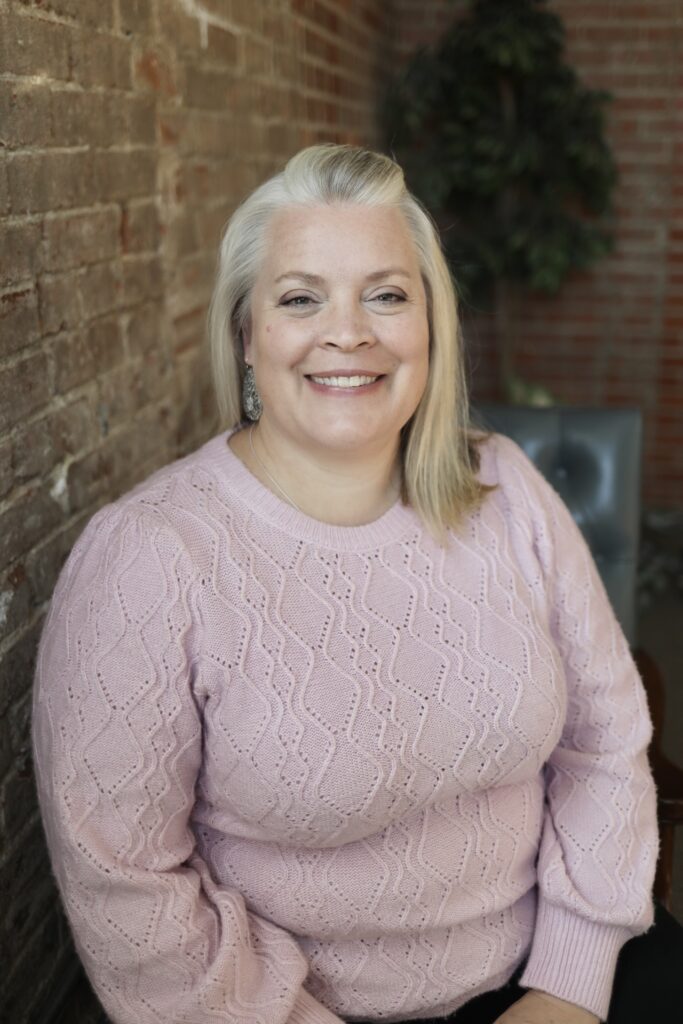
Erica R. Garcia
Group piano instructor, clarinet instructor
Erica Garcia has taught piano and clarinet lessons since 1995 in Illinois, Utah, Oklahoma, Michigan, and Texas. Erica moved to Spring with her husband and 4 young children in 2016. She has taught students as young as five all the way through adulthood, beginning to advanced levels. She consistently has students place in city honor bands, region, and state competitions.
Erica received her Bachelors of Music Degree in Clarinet Performance and Pedagogy from Brigham Young University in Provo, UT, where she studied with David Randall. She later earned her Masters of Music in Clarinet Performance at University of Oklahoma, studying with David Etheridge. Erica won several competitions during her competing days and appeared as a soloist throughout the country with the Brigham Young University Chamber Orchestra.
Erica is passionate about building strong work ethic and growth mindset through teaching music. She does this as she focuses on her students developing a strong foundation, knowing that if they start there, they can accomplish any of the goals they set with their instrument.
Besides teaching, Erica has worked in Arts Administration with the University of Oklahoma Clarinet Symposium, Longy School of Music (Cambridge, MA), and the Detroit Symphony. She also has taught Music Appreciation and Music Literature classes at Lonestar College as an adjunct professor since 2017.
While living in Beaumont Tx, Erica subbed with the Symphony of Southeast Texas, played in the pit for several productions of the Beaumont Community Players and served on the board for Southeast Texas Youth Symphony.
Additional Teachers: Russ Dagon (Milwaukee Symphony Orchestra, Northwestern University), Leslie Grimm (Chicago Symphony Orchestra), Tad Calcara (Utah Symphony Orchestra), and Lawrie Bloom (Chicago Symphony Orchestra, Northwestern University)